


The Primordial Sky
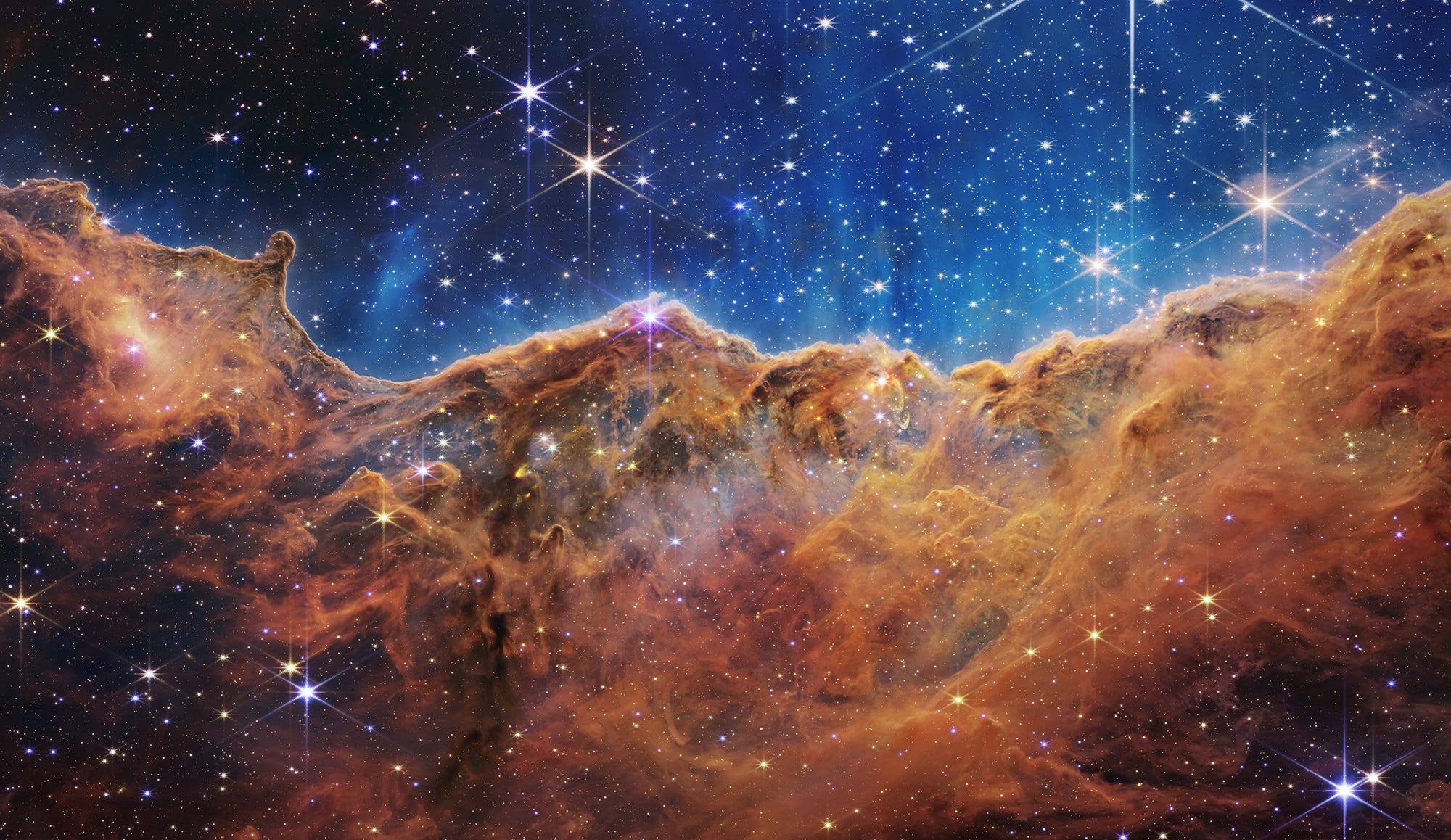
Imagine standing beneath the night sky thousands of years ago.
No cities.
No artificial lights.
No books.
No laboratories.
No holy doctrines.
Only a vast, quiet canopy of stars stretching into infinity above you.
What happens in the human mind in that moment?
Long before universities were built...
Long before religious scriptures were codified...
Long before science systematically cataloged the natural world...
Human beings looked out at reality and encountered mysteries that could not be avoided. They asked questions that have never disappeared:
• Why is there something rather than nothing?
• Did reality have a beginning, or has it always existed?
• Does reality require a creator or a first cause?
• Does history move toward a destination, or repeat in cycles?
• Is change fundamental, or is ultimate reality timeless?
Today, we give different names to our attempts at answering them: Religion. Science. Philosophy.
The questions came first.
The Invisible Operating System
If these five questions are so ancient...
Why do people across the world still disagree so deeply today?
Because every civilization inherited the exact same mysteries—and answered them differently.
Over thousands of years, different answers gave rise to:
Religious traditions
Philosophical systems
Scientific models
Cultural traditions
For example...
Some believed the cosmos was brought into being by a conscious Creator.
Others believed existence is an uncreated, eternal whole unfolding without a start or end.
Some saw history as a straight line moving toward a divine purpose or secular progress.
Others saw history as an endless wheel turning through inevitable cycles of decay and renewal.
Your Invisible Philosophy
Whether you realize it or not, you are already living according to assumptions about these five questions.
Your personal answers shape how you understand ethics, human nature, purpose, death, and your everyday choices.
Everyone already has a philosophy. The only question is whether you have examined it.
Let us begin where humanity began—with the questions.
The Mystery of Origin
Why is there something instead of nothing?
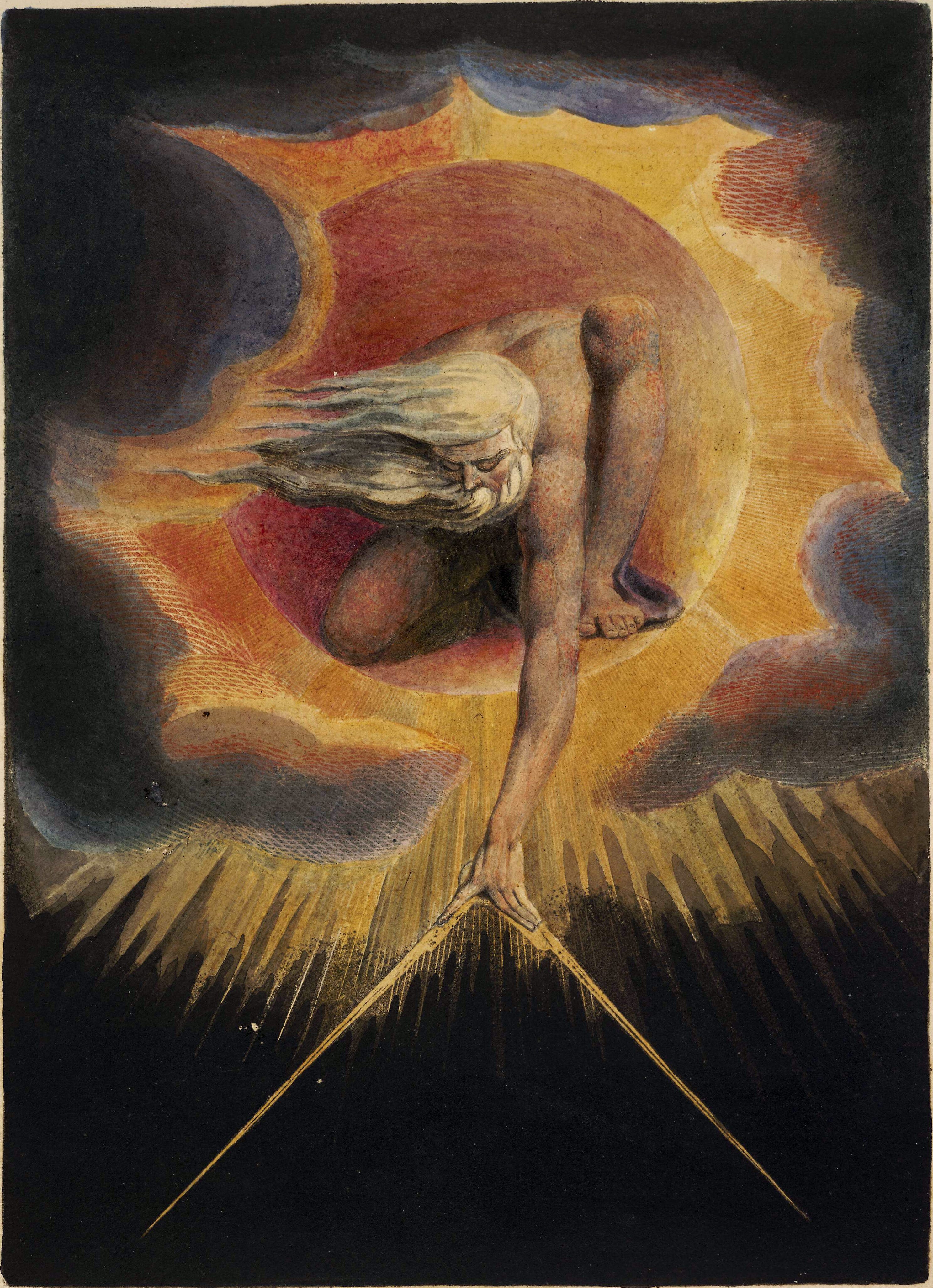
In ordinary experience, everything you see comes from pre-existing material. Houses are built from wood. Pottery is shaped from clay. Tools are forged from metal.
Because we only ever witness things being made out of other things, absolute non-existence feels impossible to grasp.
Close your eyes for three seconds and try to picture nothing.
Not a dark, empty room. Not cold outer space. Darkness and space are still something. Try to imagine the complete absence of matter, energy, space, time, consciousness, and physical laws.
Now open your eyes and look around. You are surrounded by light, sound, matter, thought, and life.
Why did reality default to existence rather than absolute non-existence?
Instead of leaving this blank, civilizations framed their primary stories around it:
Judaism, Christianity, and Islam traditionally proposed that a supreme, self-existent Creator spoke reality into existence out of total non-being through divine intention.
Many Indian philosophical traditions saw existence not as something pulled out of nothing, but as an eternal, infinite source unfolding itself. To them, “nothingness” is an illusion; existence itself is foundational.
Modern scientific cosmology investigates whether physical existence arose from quantum vacuum fluctuations, zero-energy universe models, or if existence is simply a fundamental “brute fact” requiring no prior explanation.
Notice what happens the moment an answer is chosen: it immediately unlocks the next mystery.
If reality was created, what is the nature of the Creator? If existence is eternal, why is it constantly changing?
The Starting Line
Has reality always existed?
Imagine explaining the universe to a curious child. Sooner or later, after you explain how planets form or where stars come from, they inevitably look at you and ask:
“But what happened before the beginning?”
In that single, innocent moment, a child stumbles directly into one of the deepest paradoxes in metaphysics.
Think about what that question demands of your imagination:
If reality had a starting line, what existed before the start?
If reality never had a start, then an infinite number of yesterdays must have already elapsed just for time to reach this precise moment today. Can an infinite past ever actually be crossed?
Humanity divided down three main pathways to resolve this:
The Temporal Start: Traditional theology and modern Big Bang cosmology describe a universe with a definite origin point where space and time began.
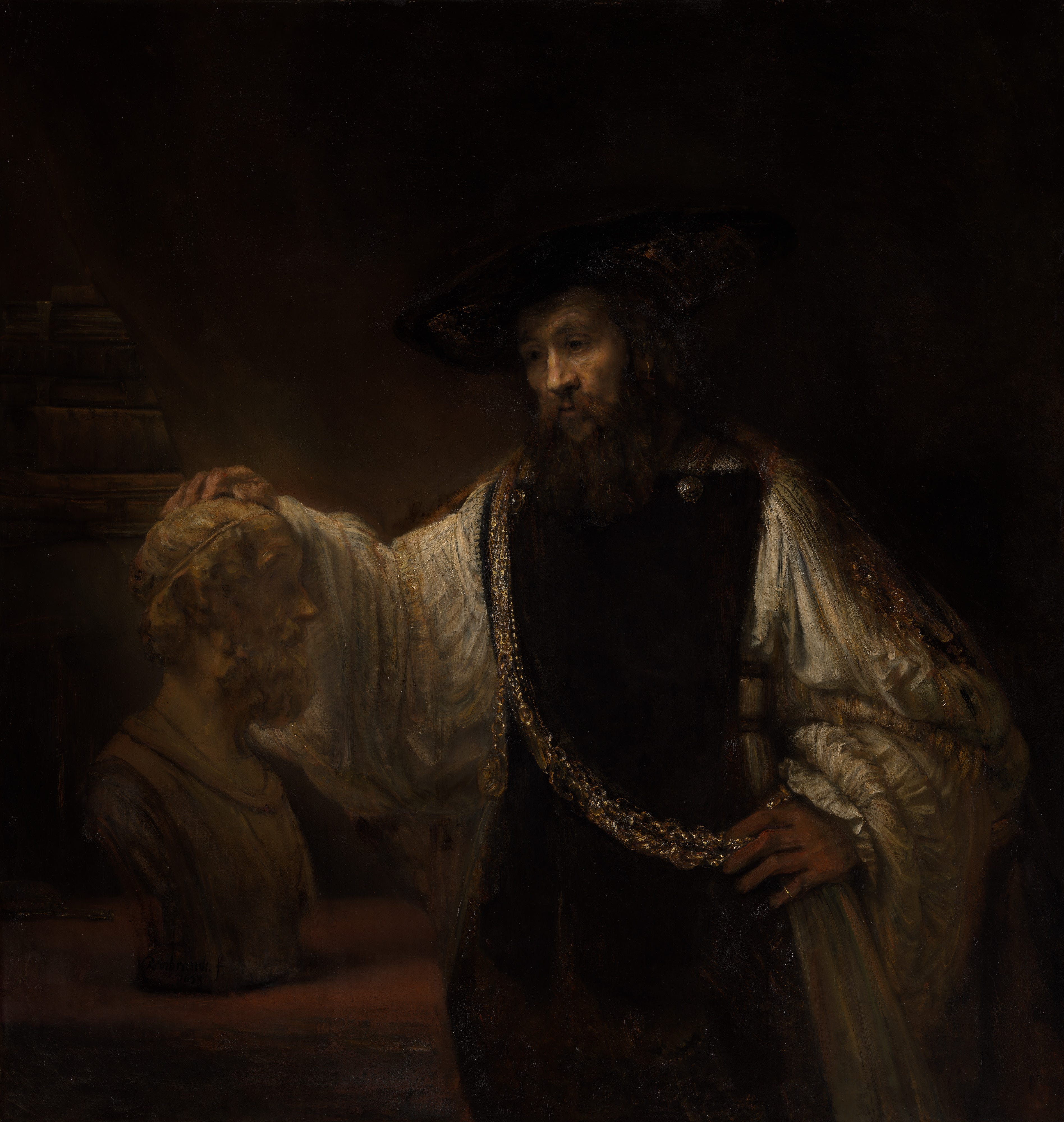
The Eternal Cosmos: Ancient thinkers like Aristotle argued that matter cannot come from nothing, which means motion and time must be uncreated, endless, and eternal.
The Cosmic Epochs: Indian, Norse, and Mesoamerican traditions viewed time as an endless ocean of universe births, deaths, and rebirths.
The Shape of History
Does reality move in cycles?
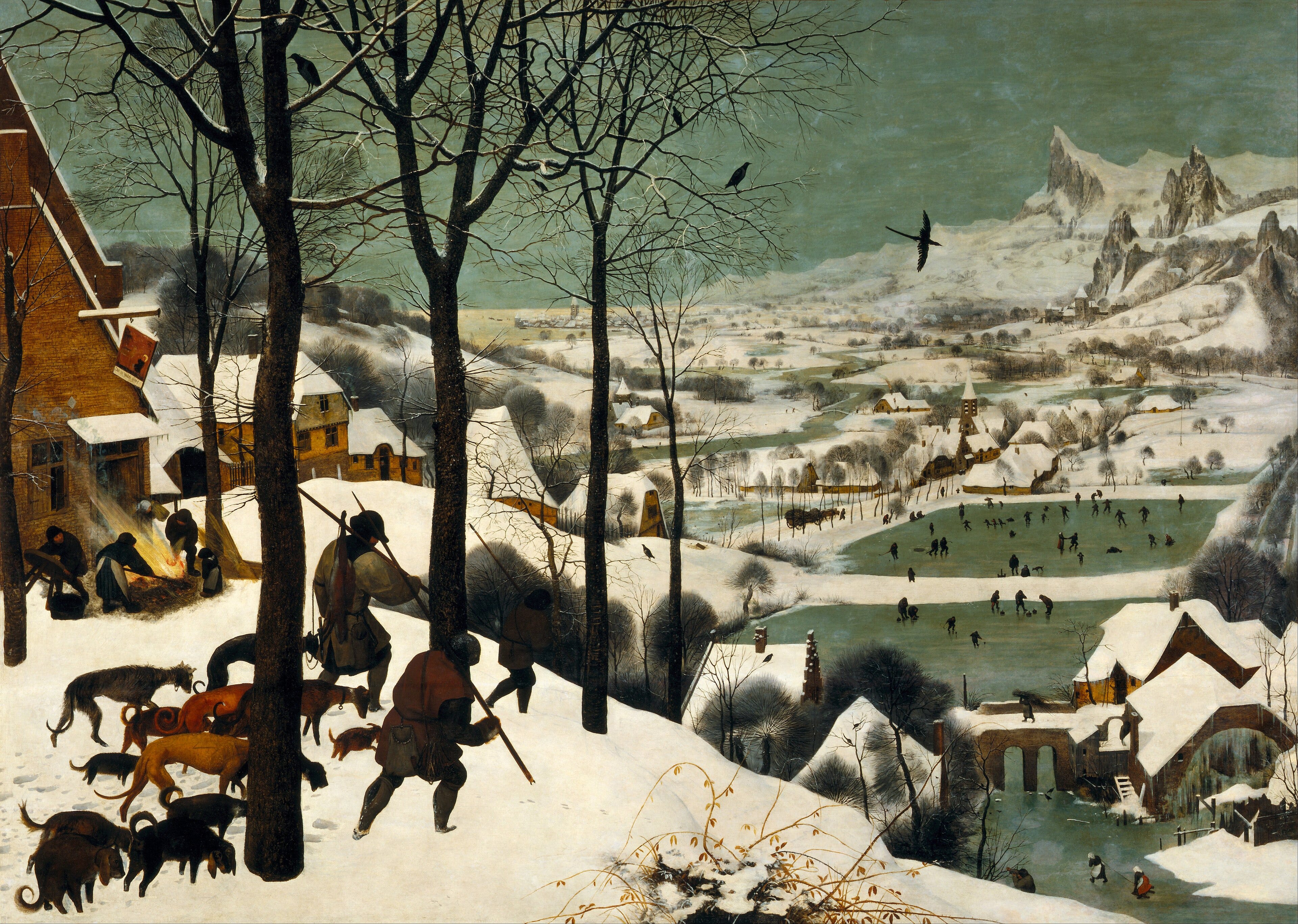
Look closely at nature. Day turns to night, and night returns to day. Spring transforms into summer, decays into autumn, freezes into winter, and blooms again into spring.
Observing these patterns, early humans asked a practical and profound question: Is human history a straight line heading toward a destination, or is it a wheel that keeps turning?
Linear View:
[Origin / Creation] ──────► [Ultimate Destination]

Cyclic View:
↺ Birth ───► Growth ───► Decay ───► Renewal ↺
How a culture answers this changes how its people understand human destiny:
The Linear Vector: Traditional Middle Eastern, European, and modern secular worldviews view history as an arrow. It begins at a specific point, moves forward through unique events, and progresses toward a final destination.
The Cosmic Wheel: Ancient Indian and Stoic traditions saw human history as part of nature’s seasonal rhythms. History moves through vast cosmic cycles—from golden ages of order down into dark ages of decline, before perishing in cosmic fire or collapse, only to be born anew.
The Scientific Reality: Modern physics observes a striking combination: while local systems (like planetary orbits and climate) cycle continuously, the overall universe moves along a one-way thermodynamic trajectory toward increasing entropy.
The Unbroken Chain
Does everything need a cause?
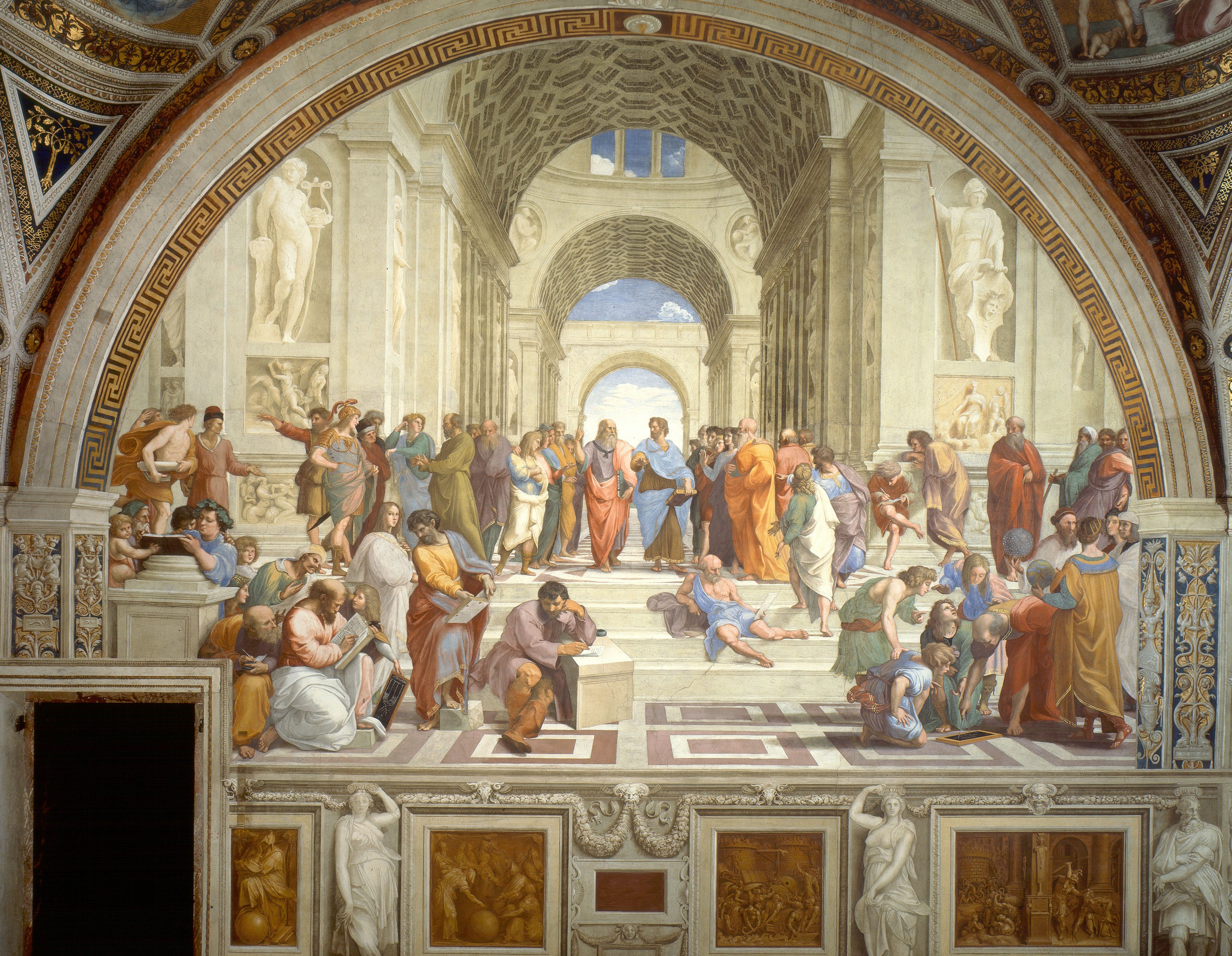
Have you ever watched a child ask “Why?”—and then respond to your answer with another “Why?”, and another, and another, until you finally reach the limit of your knowledge?
Every parent eventually hits that wall. But philosophers realized that this innocent game exposes the structure of reality itself.
Every day, you live by a simple rule: a stone moves when pushed by a stick; a bell rings when struck; a shadow shifts when a flame moves. Effects require causes.
But if every event requires a prior cause, what caused the first event?
(First Domino) Uncaused Cause ──► Event A ──► Event B ──► Present Moment
Does the chain of cause and effect go back infinitely into the past? Or was there an uncaused first cause that grounds every other cause?
For thousands of years, this single question was passed like a relay baton across civilizations. Classical Greek thinkers argued there must be an ultimate “Unmoved Mover.” Golden Age Islamic scholars refined this into the search for a “Necessary Being” that grounds all reality. Medieval European philosophers adapted it into formal proofs for a First Cause, while Eastern traditions like Buddhism proposed a vast, interconnected web of cause-and-effect with no single starting domino.
The Fluid Horizon
Does time really flow?
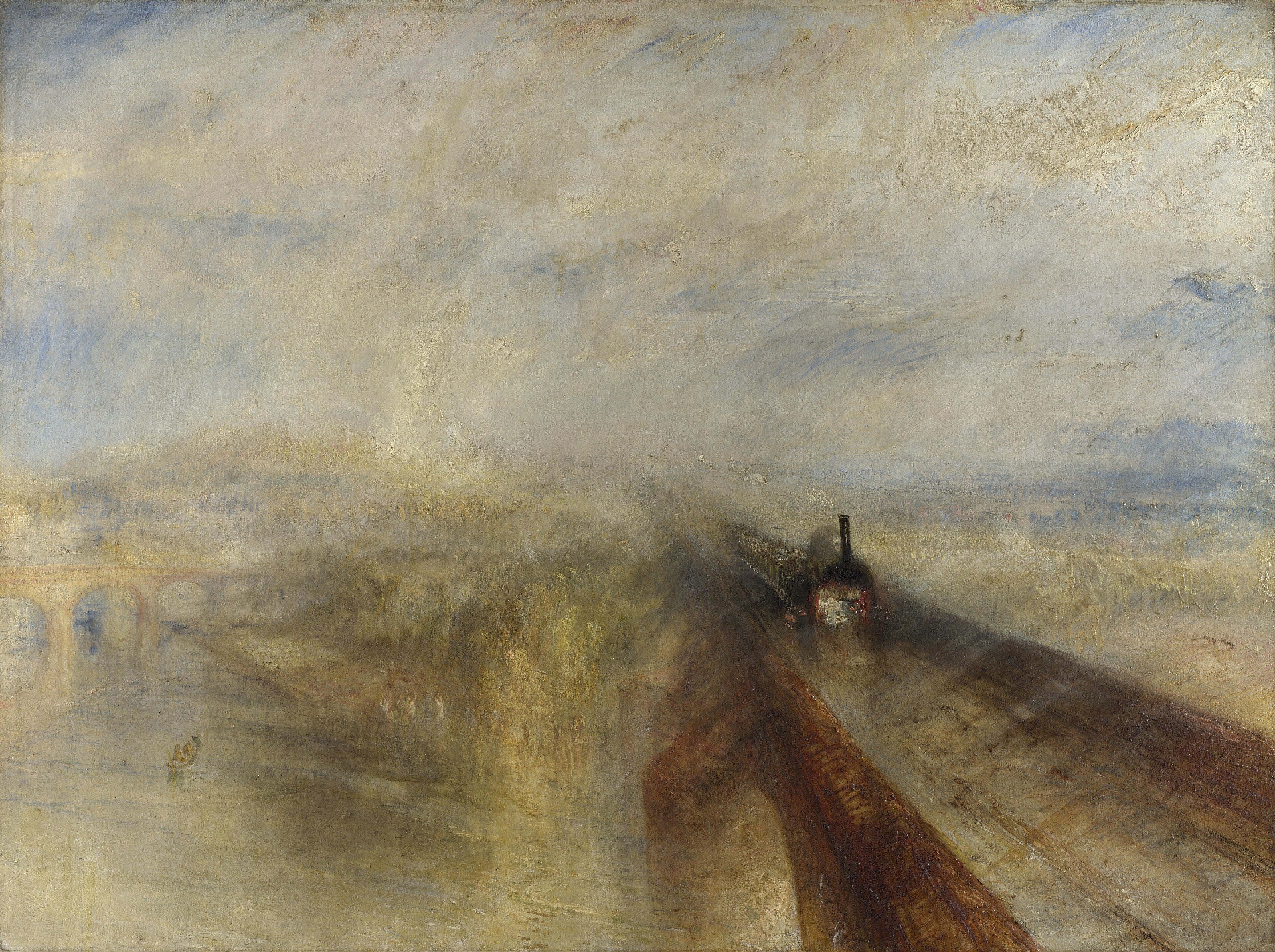
Have you ever looked at an old photograph of yourself from ten or twenty years ago and wondered: Am I still the same person?
Your cells have entirely replaced themselves. Your thoughts, memories, and personality have evolved. Yet, you feel an undeniable thread of continuity connecting that child in the photo to the person reading these words right now.
This personal experience brings us to a radical question: Is time a river carrying us through constant change, or is change an illusion?
Two ancient Greek philosophers clashed over this 2,500 years ago, setting up a debate that modern physics is still trying to resolve:
Heraclitus (The River): Taught that change is the fundamental condition of existence. You cannot step into the same river twice, because new waters are constantly flowing in, and you yourself are constantly changing.
Parmenides (The Stone): Argued the exact opposite. True reality must be continuous, timeless, and unchanging. What we experience as “change” is merely an illusion of our physical senses.
Modern Physics (The Block Universe): One influential interpretation of relativity—the Block Universe—resembles Parmenides’ idea of an unchanging reality in important respects. Physics models space and time together as a four-dimensional structure called spacetime, where past, present, and future all exist simultaneously like a giant map; our conscious awareness is simply moving through it.
The Cascade of Mysteries
Notice what happened as we walked through these five questions.
Not a single answer was final. Every answer humanity invented immediately generated a deeper question:
If reality came from nothing... what is nothingness?
If reality always existed... how did an infinite past reach today?
If reality moves in cycles... what stays constant through the change?
If everything needs a cause... what caused the first cause?
If time flows... what is moving, and where is it going?
Humanity did not run out of questions. Every answer revealed a deeper mystery.
These five questions are not dusty puzzles for academic classrooms. They are the bedrock of human existence. Every civilization inherited these questions. Every generation has answered them differently.
The purpose of this project is not to decide these questions for you, but to understand how humanity has wrestled with them across history.
Now they belong to you.
Continue Reading
Explore the five Reference Notes that comprise Phase 0 — The Question of Origins:
Coming Next
Phase I — Mythopoetic Thought
How early civilizations transformed fundamental questions into myths, rituals, and sacred narratives.
Image Credits
NASA • British Museum • The Metropolitan Museum of Art • Kunsthistorisches Museum • Vatican Museums • The National Gallery, London