


There was a time when no one was looking up at the stars.
No human being was standing beneath the night sky asking where the universe came from.
No one was asking why anything existed at all.
And yet, eventually, someone would.
Before humanity could ask its first question, an extraordinary history had already unfolded.
The dates in this journey are approximate. The farther we travel into the deep past, the more uncertain the evidence becomes. We are not reconstructing everything that happened. We are following the major transitions for which evidence survives—and distinguishing what we know from what we can only infer.
I. THE UNIVERSE
~13.8 billion years ago
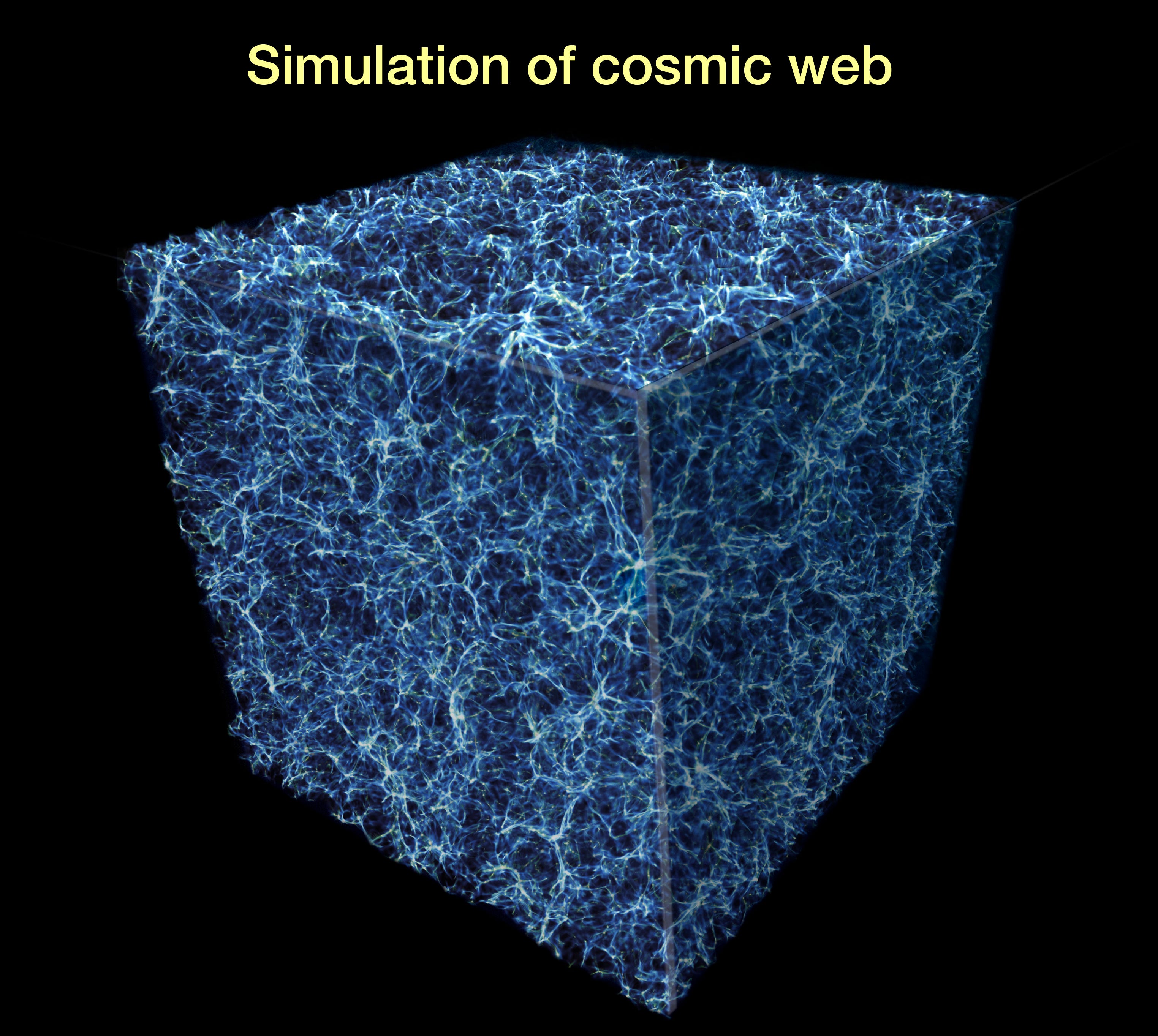
About 13.8 billion years ago, our observable universe was in an extremely hot, dense state and has been expanding ever since.
As the universe expanded, it cooled, allowing the structures and matter we know today to emerge.
There were no human observers.
No civilization.
No philosophy.
No questions.
The universe was simply unfolding, expanding, and cooling.
How did a universe without observers eventually produce beings capable of observing it?
We do not answer that prematurely.
The universe spent its first few hundred million years in darkness, before the first stars appeared.
II. THE STARS
~13.6 billion years ago onward
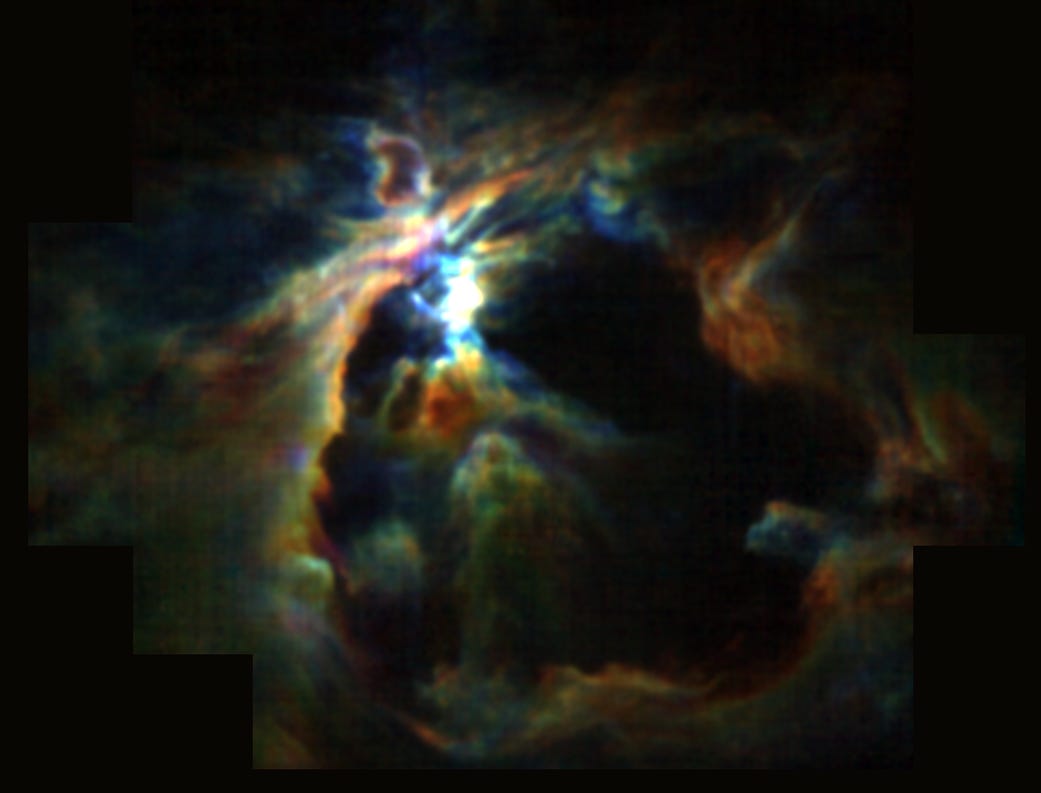
Eventually, gravity pulled clouds of hydrogen and helium together until they became dense and hot enough for stars to ignite.
The first stars began to burn.
Inside stars, nuclear fusion transformed lighter elements into heavier ones. Later generations of stars, together with stellar explosions and other cosmic events, helped distribute an expanding inventory of elements across the cosmos.
Some of the atoms in our bodies were forged in stars that existed long before the Sun.
The universe was beginning to acquire the physical ingredients required for complexity.
III. A WORLD
~4.6 billion years ago
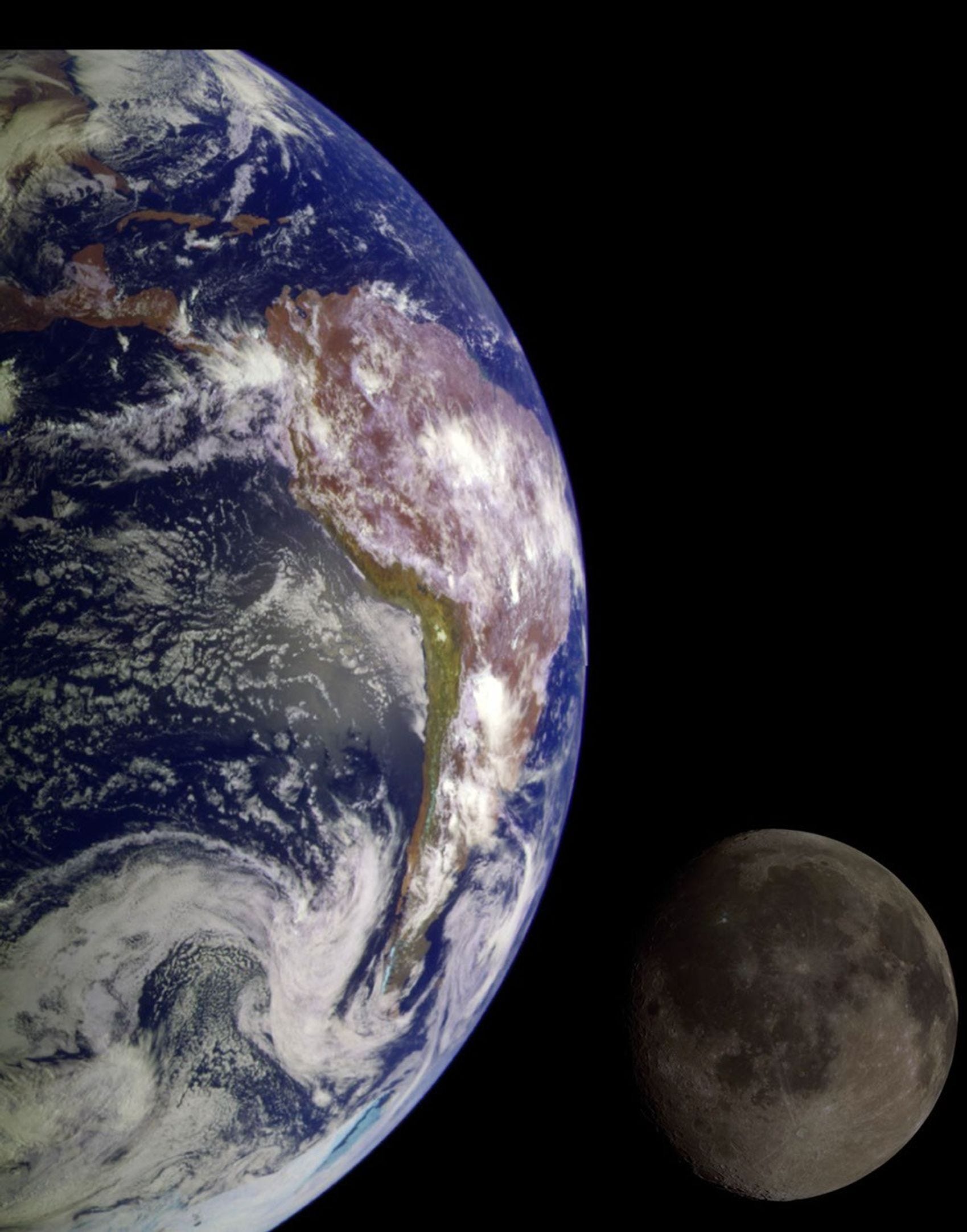
About 4.6 billion years ago, a collapsing cloud of material formed our Solar System.
The Earth accreted from the debris.
A massive collision formed the Moon. Its gravitational influence helps stabilize Earth’s axial tilt, one factor contributing to the long-term stability of Earth’s climate.
There were still no human beings.
There were no questions.
But there was now a world—a planet with conditions capable of supporting a new kind of chemical evolution.
IV. WHEN MATTER BEGAN TO REPLICATE
~4.0–3.5 billion years ago
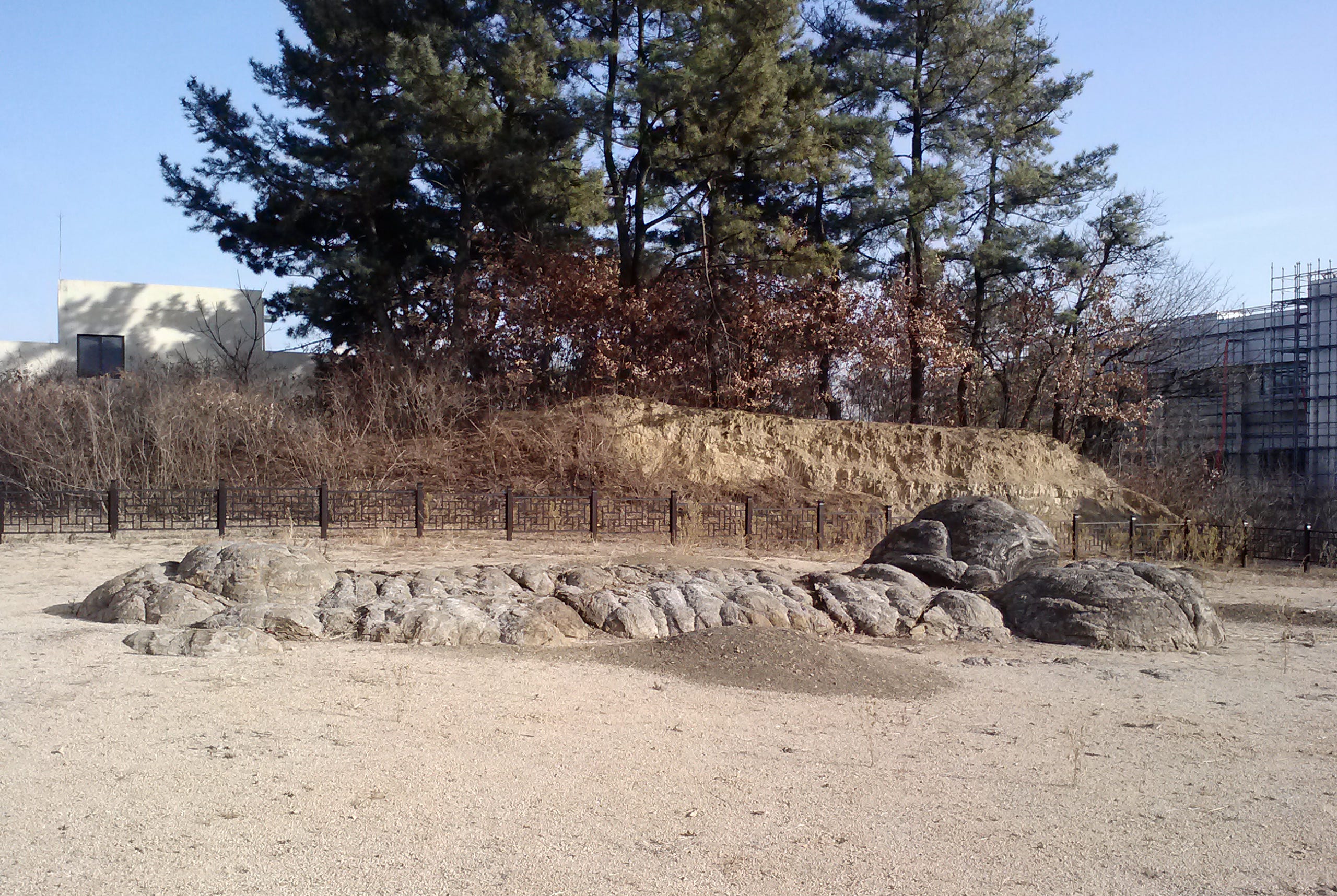
Somewhere between 4.0 and 3.5 billion years ago, something unprecedented happened.
Chemistry became life.
We do not know exactly how that transition occurred. The precise mechanism remains uncertain.
But the significance of the fossil and chemical evidence is profound: at some point, matter began participating in systems capable of self-replication and natural selection.
Reality now contained something that could persist, vary, and change through generations.
V. LIFE CHANGES THE PLANET
~3.4–2.4 billion years ago
Life did not merely adapt to its environment.
It began to transform it.
Over immense spans of time, early organisms evolved the ability to harness sunlight through photosynthesis. Some of these organisms released oxygen as a byproduct. Eventually, free oxygen accumulated in the atmosphere and oceans.
The Great Oxidation Event fundamentally altered the chemistry of the Earth.
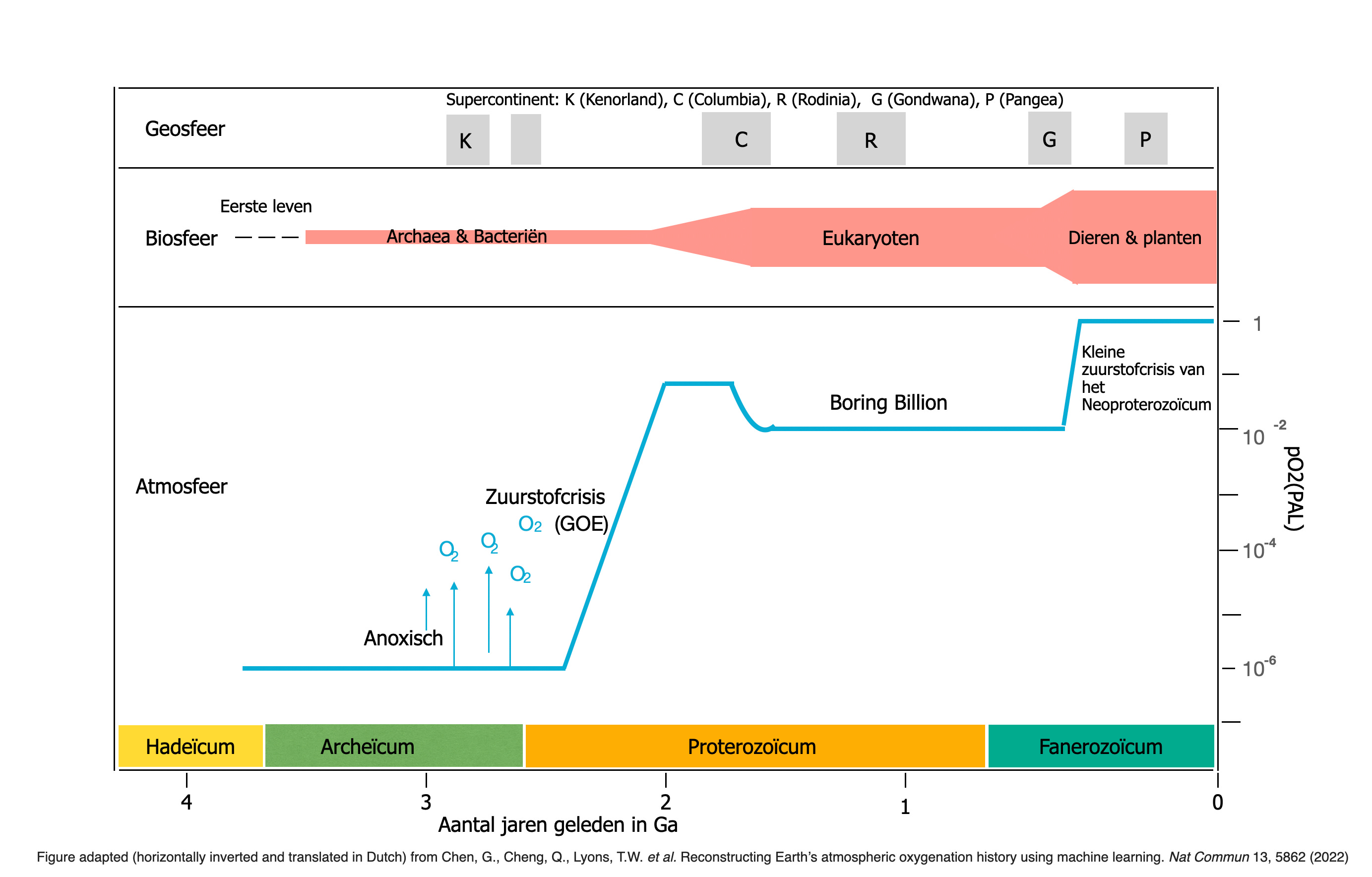
Rising oxygen transformed the atmosphere and oceans and contributed to the decline of many organisms adapted to oxygen-poor environments.
This was a profound reversal.
A biological process had changed the atmosphere of an entire planet.
It was an early demonstration of a mechanism that would eventually become central to human history:
Life changes the conditions under which life itself must survive.
VI. THE COMPLEX CELL
~2.0–1.5 billion years ago
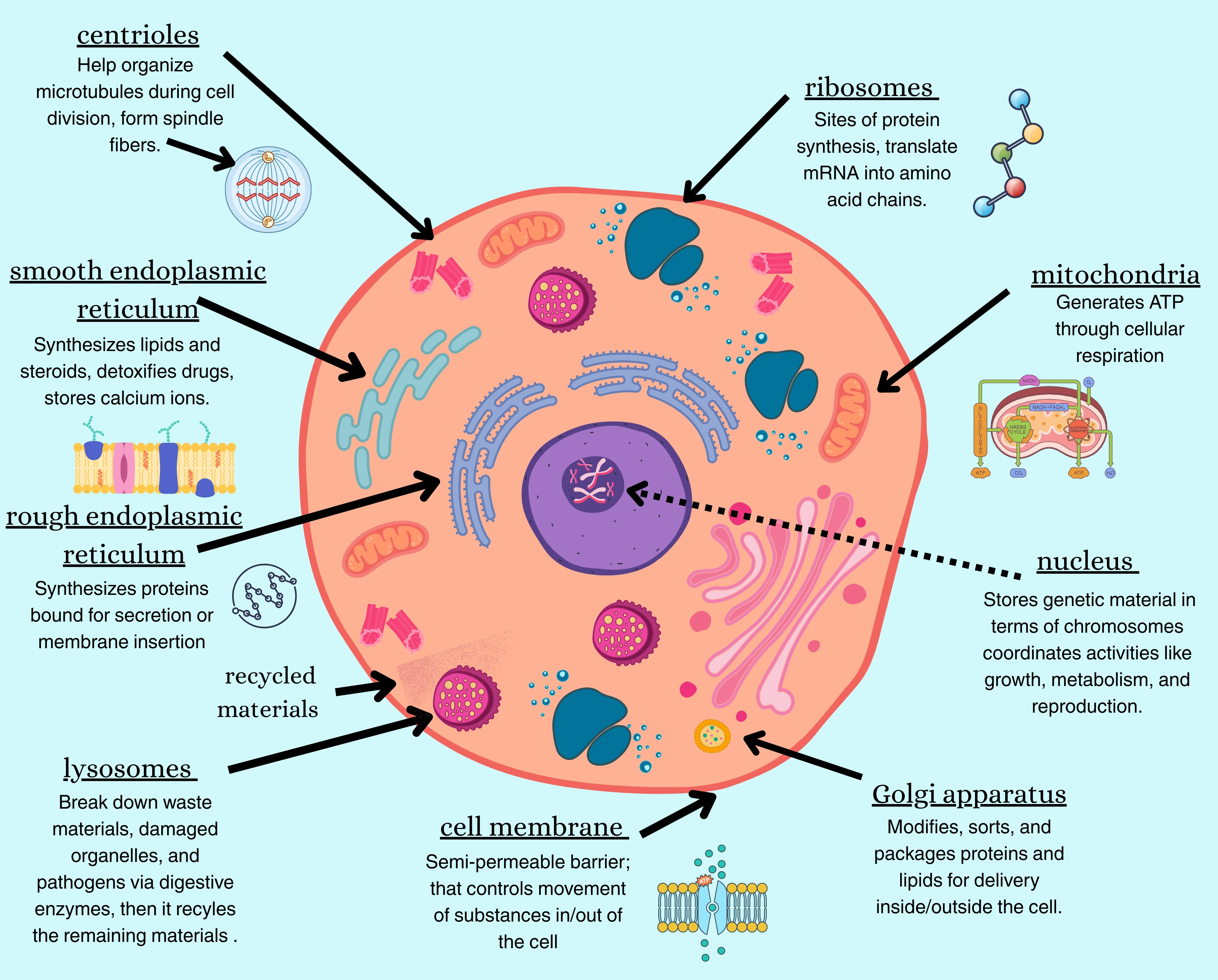
For billions of years, life consisted of simple, single-celled organisms.
Then another threshold was crossed.
At some point, an ancient archaeal lineage formed a lasting partnership with a bacterium that eventually became the mitochondrion.
This endosymbiotic relationship was one of the crucial steps in the emergence of complex eukaryotic cells.
We do not need to overburden the story with molecular biology to see the broader significance.
Complexity can arise through cooperation and integration.
Previously distinct biological systems became integrated into a new level of organization.
VII. BODIES
~1.5 billion–600 million years ago
Single cells eventually clustered together.
Multicellularity evolved.
Cells within a single organism began to specialize. They formed tissues. Organisms became systems of differentiated parts.
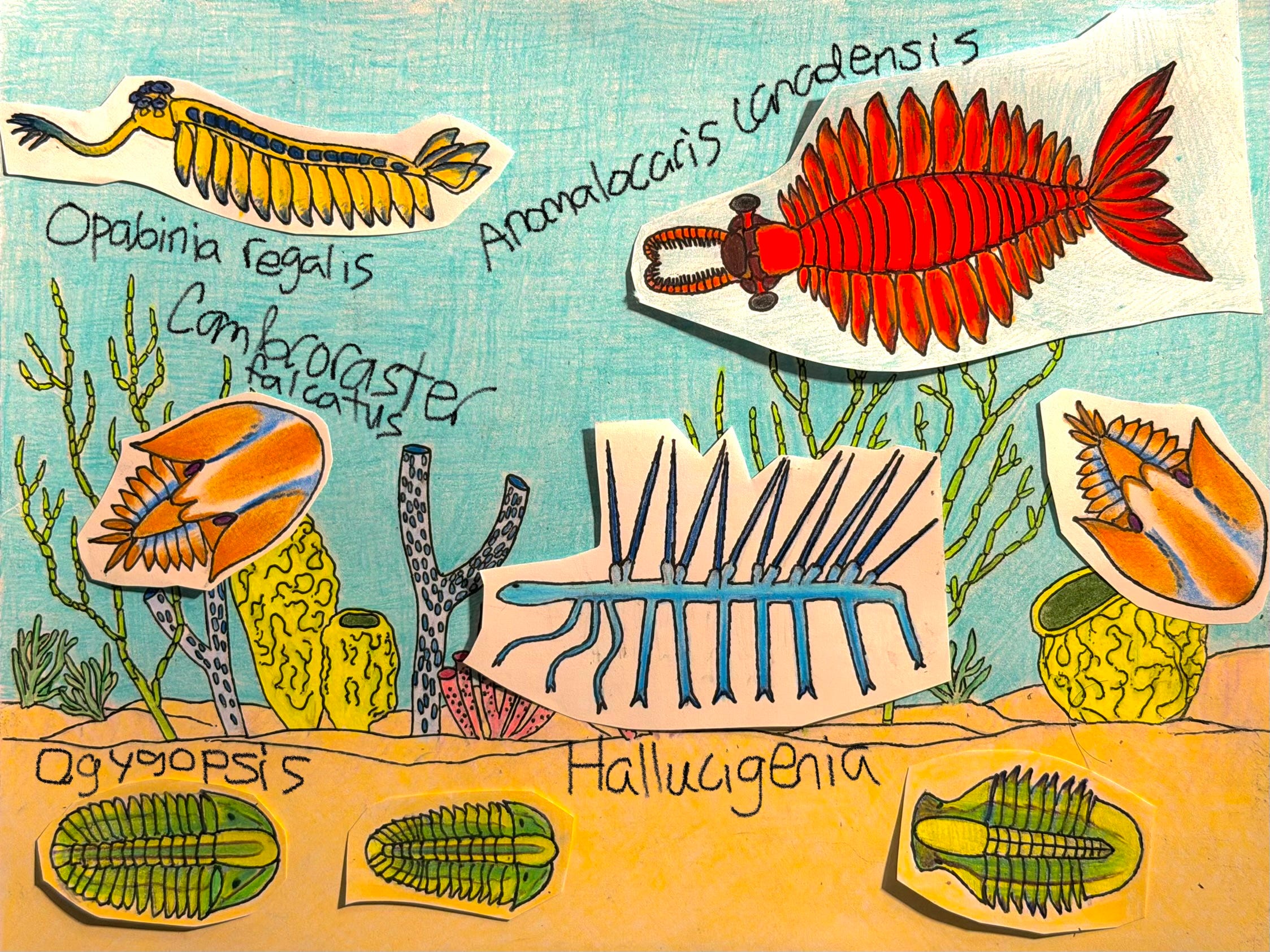
Then, beginning around 541 million years ago, the Cambrian Explosion marked a dramatic diversification of animal forms.
Organisms increasingly had bodies, movement, sensory organs, and behavioral strategies.
The world was becoming an environment of information, response, and physical action.
VIII. THE NERVOUS SYSTEM
~600–500 million years ago onward
This is the crucial bridge.
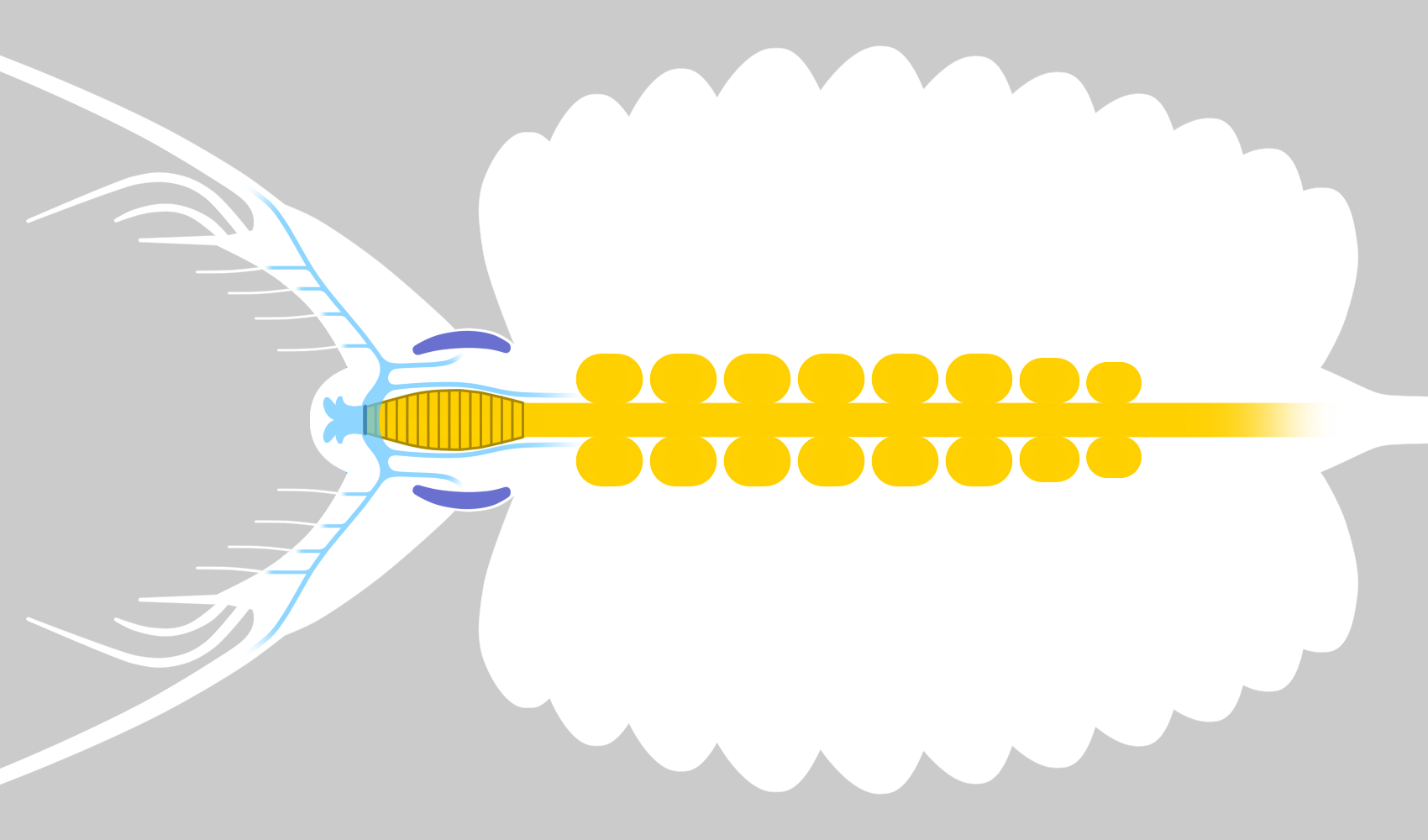
Life began developing increasingly sophisticated systems for sensing, processing, and responding to information.
Early animals developed simple nerve nets. Eventually, nervous systems and brains made increasingly complex forms of perception, learning, memory, and behavior possible.
Complex brains and social cognition developed across hundreds of millions of years.
But evolution was never a simple march toward greater complexity.
Life repeatedly encountered catastrophe.
Mass extinctions transformed ecosystems, erased dominant forms of life, and opened opportunities for others. The history that eventually produced humans depended not only on what evolved, but also on what survived.
Primates emerged tens of millions of years ago.
Much later, the hominin lineage diverged from the other great apes.
Over hundreds of thousands of years, some hominins learned to control fire, transforming both their environments and the foods they could consume.
IX. THE HUMAN ANIMAL
~7 million → ~300,000 years ago
Evolution is continuous.
There was no magical moment when humanity suddenly appeared.
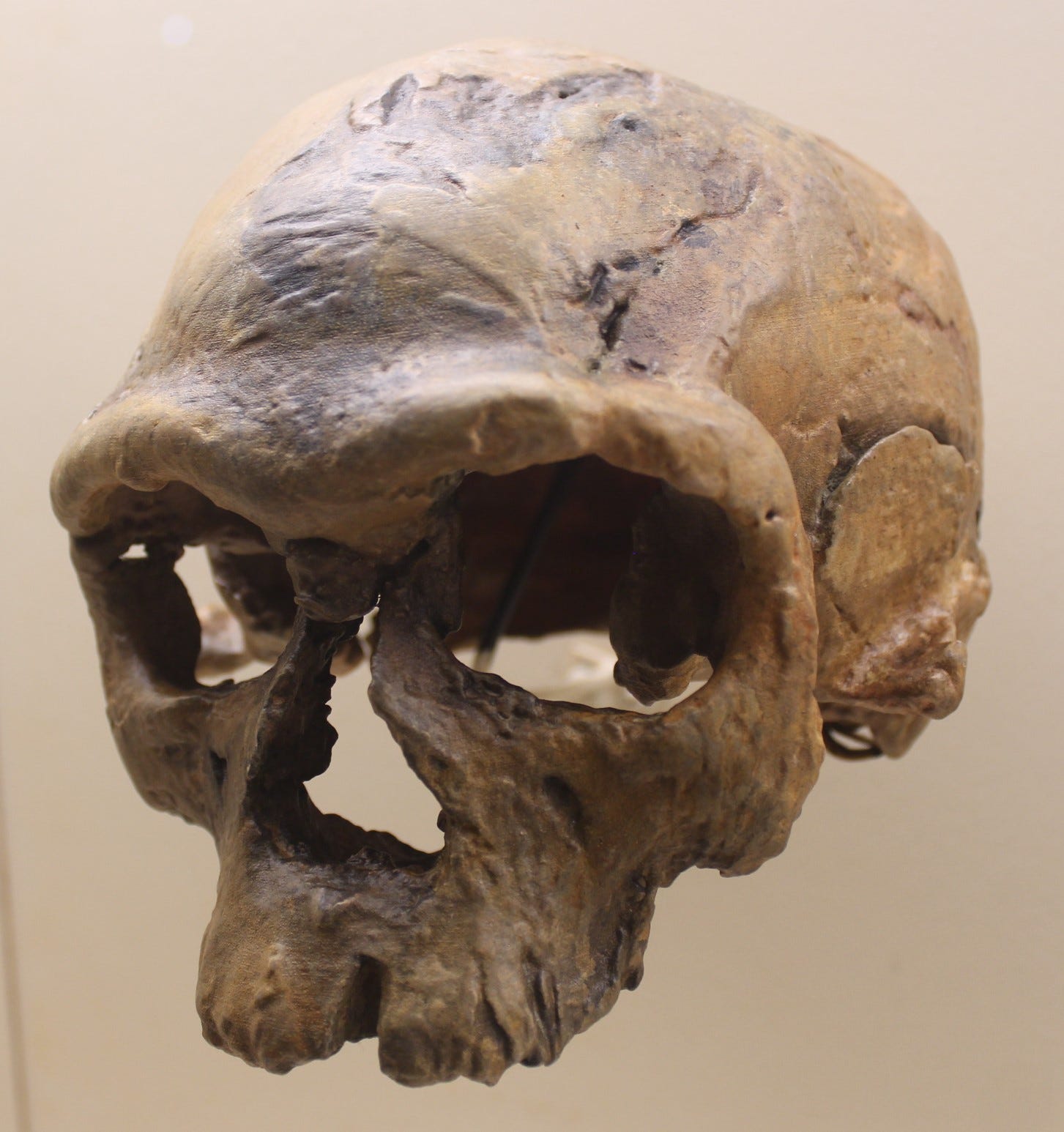
About 300,000 years ago, anatomically modern Homo sapiens emerged.
But the biological emergence of our species and the emergence of the behaviors we associate with symbolic humanity were not necessarily the same event.
Anatomy alone is not the end of the story.
A species can possess recognizably modern anatomy without leaving behind the archaeological evidence of the symbolic behavior that would later become so characteristic of our species.
The body came first.
The archaeological evidence of the symbolic mind came later.
X. WHEN THE MIND BECAME SYMBOLIC
~100,000–70,000 years ago and beyond
The evidence does not give us a single, clean cognitive revolution.
It gives us a long, uneven accumulation of behavioral changes.
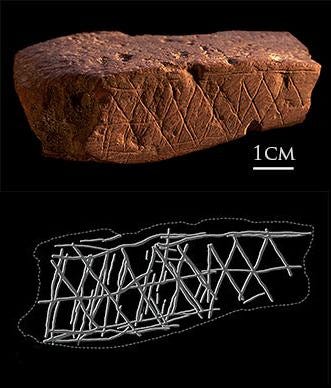
Red ochre begins appearing sporadically.
Later, engraved pieces display repeated geometric patterns.
Shell beads are used as personal ornaments.
Deliberate burials appear.
None of these objects comes with an explanation of what its makers intended.
Their meanings must be inferred from the archaeological context, and some interpretations remain disputed.
Toolkits become increasingly complex, with some technologies requiring multiple steps and the transmission of learned procedures.
This is consistent with increasingly sophisticated forms of teaching and cultural transmission.
Knowledge could be learned, preserved, modified, and passed to others rather than disappearing with a single individual.
Something important was changing.
Information no longer had to exist only inside one living brain.
It could move from mind to mind.
From generation to generation.
XI. THE MIND CREATES WHAT IS NOT THERE
~51,000–40,000 years ago
Then something extraordinary appears in the archaeological record.
In Sulawesi, the narrative cave scene at Leang Karampuang has been dated to at least 51,200 years ago, making it one of the oldest known examples of figurative narrative imagery. The scene depicts human-like figures interacting with a Sulawesi warty pig.
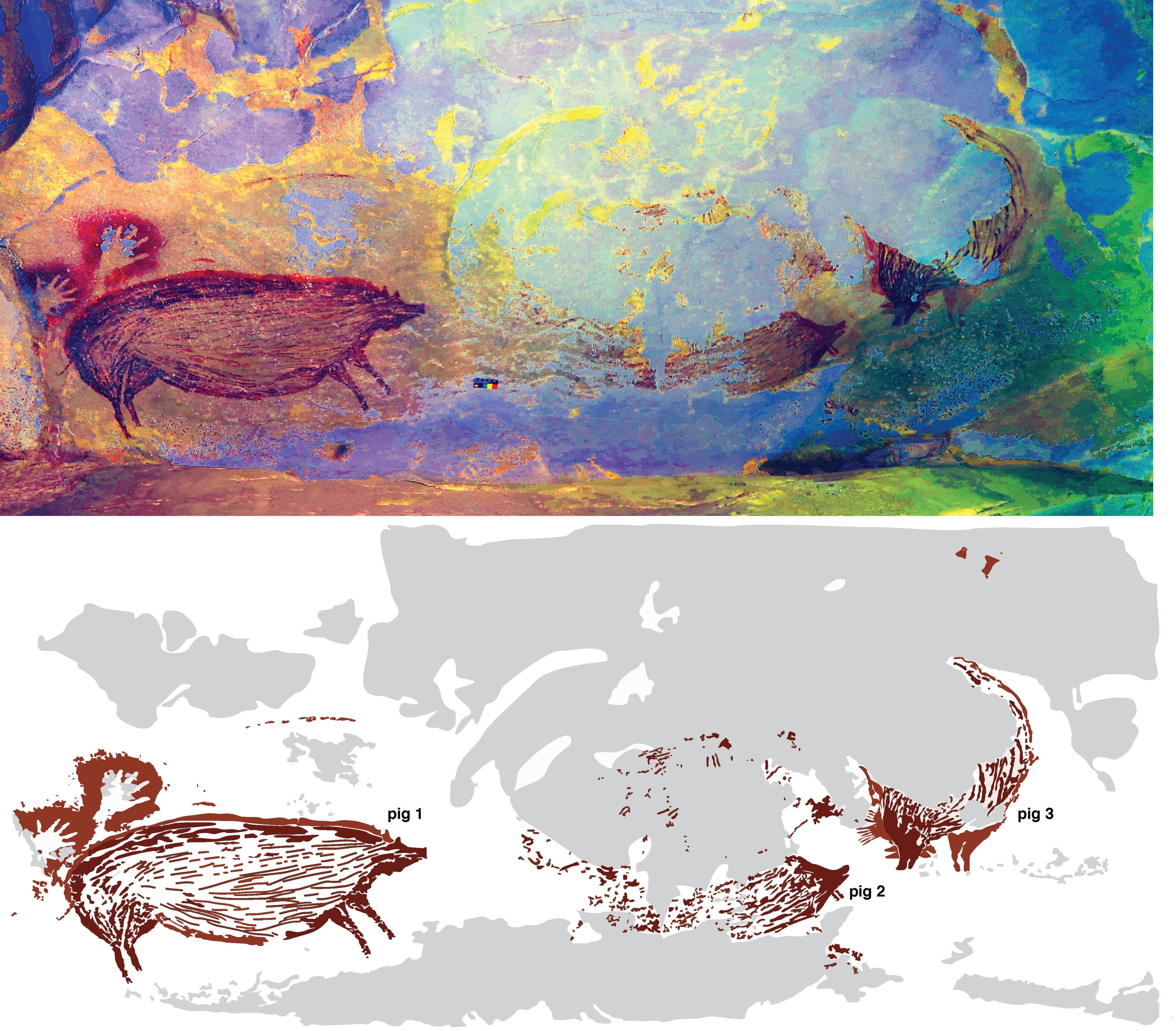
Elsewhere in Sulawesi, the rock art at Leang Tedongnge includes a naturalistic depiction of a Sulawesi warty pig, dated to at least 45,500 years ago.
We also find bone flutes—the earliest known musical instruments—and increasingly sophisticated representational art.
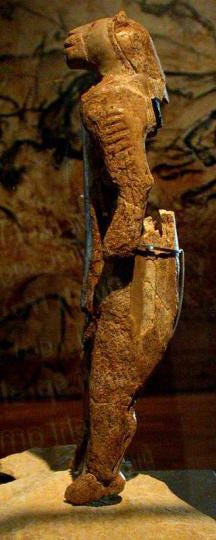
And then there is the Lion Man of Hohlenstein-Stadel.
A human-lion composite carved from mammoth ivory roughly 40,000 years ago.
Someone created a representation of a being that does not exist in the physical world.
Human beings could represent what was absent.
They could imagine what might exist.
They could create forms that had never existed before.
This is different from simply responding to what is physically present.
The mind could now construct possibilities.
It could combine elements of reality into something reality itself had never produced.
The capacity to represent things beyond immediate physical experience would become enormously important to everything that followed:
myth, religion, fiction, law, money, political institutions, and philosophy.
XII. THE QUESTIONER
Somewhere along this immense history, an animal capable of perception became capable of something stranger.
It could remember what was absent.
It could imagine what had never happened.
It could communicate what another mind could not see.
And eventually, it could turn its attention toward existence itself.
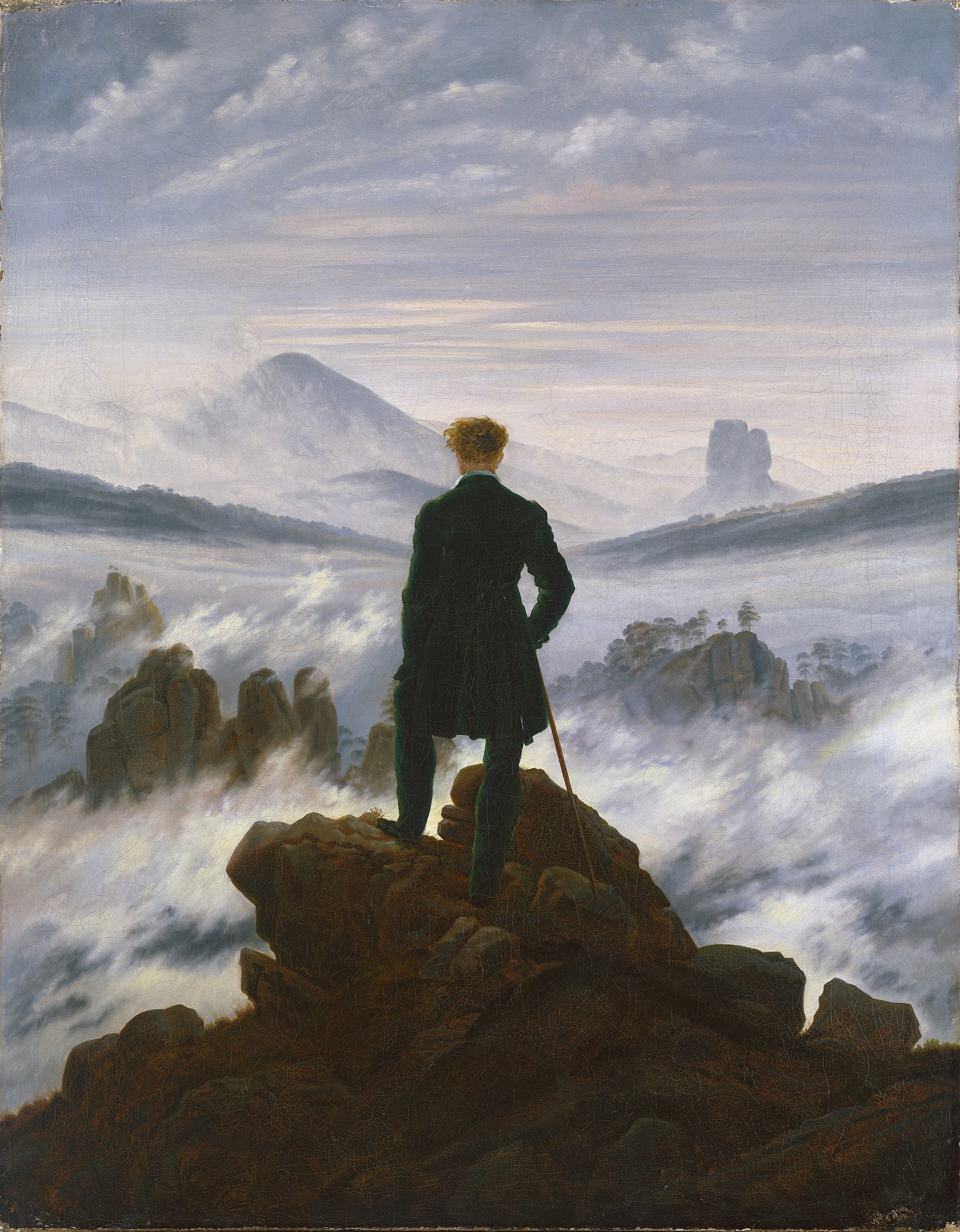
It could ask:
What is this?
Why does it happen?
What happens when we die?
What makes an action right?
What can we actually know?
What is reality?
Before humanity had answers, it had questions.
XIII. THE INHERITANCE
The first question did not emerge into an empty world.
By the time human beings became capable of asking what reality was, they were already living inside systems of meaning built by others.
Language came first.
Then stories.
Customs.
Rituals.
Explanations.
Rules.
Identities.
Institutions.
Every generation inherited a world it did not create.
Some inherited ideas helped people understand reality. Others helped them survive or cooperate.
Others gave power to some human beings over others. And some simply survived because they had been inherited for so long that their origins were forgotten.
Before we can examine an idea, we must first notice that it is an idea.
XIV. THE INVESTIGATION BEGINS
We began with a universe without observers.
We arrived at beings capable of observing it.
We began with matter.
We arrived at memory, language, and imagination.
We began with a world that could not ask questions.
We arrived at creatures who could ask them.
And those creatures began building explanations.
They built stories.
They built rituals.
They built religions.
They built laws.
They built kingdoms.
They built philosophies.
They built science.
Some of those ideas helped them understand reality. Others distorted it.
Some liberated human beings. Others confined them. And some became so deeply embedded in civilization that generations forgot they were ideas at all.
The task is therefore not simply to inherit these ideas, nor to reject them simply because they are old.
It is to examine them.
Where did they come from?
What problem were they trying to solve?
How did they shape human beings and societies?
What did they help us see?
What did they cause us to miss?
And when confronted with reality, what remains?
That is The Absolute Philosophy.
That is where our investigation begins.